
French Parliament Report Accuses Louvre of Prioritizing Prestige Over Security Ahead of Jewel Heist
Overview of the Incident The Louvre, one of the world’s most renowned art museums, was the subject of a
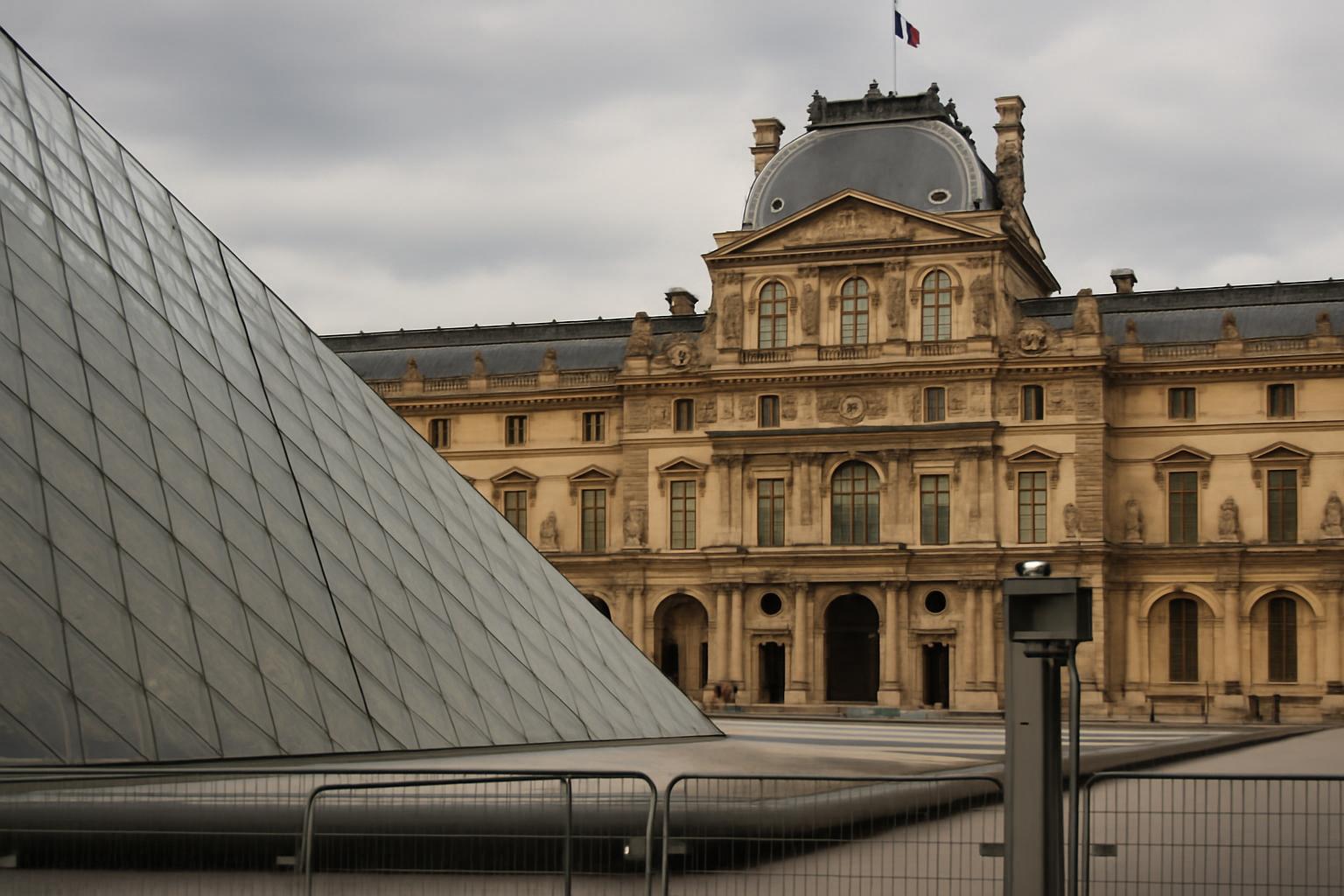
Overview of the Incident
The Louvre, one of the world’s most renowned art museums, was the subject of a critical report by the French Parliament, which highlighted significant security lapses prior to a recent jewel heist. The report suggests that the institution’s focus on maintaining its prestige and influence may have compromised essential security protocols.
Findings of the Parliamentary Report
According to the report, security measures at the Louvre had been “relegated to the background,” indicating a deprioritization of safety protocols in favor of preserving the museum’s image and reputation. This neglect potentially created vulnerabilities that facilitated the theft of valuable jewels.
Key Concerns Raised
- Inadequate staffing and surveillance coverage during critical periods
- Lack of sufficient security checks and monitoring systems
- Resource allocation that favored institutional prestige over operational security
Implications for Museum Security
The findings underscore the importance of balancing the cultural and historical significance of major institutions with robust security measures. Neglecting security can lead to serious consequences, including thefts of priceless artifacts and jewels.
Response and Future Measures
The French authorities have acknowledged the issues raised in the report and are reportedly reviewing security protocols at the Louvre. Experts emphasize that museums must prioritize comprehensive security strategies to prevent similar incidents in the future.
Conclusion
This incident serves as a stark reminder of the potential risks associated with undervaluing security at cultural institutions. Ensuring the safety of priceless collections requires continuous evaluation and investment in security infrastructure, rather than prioritizing institutional prestige alone.