A Whole Lot of Nothing at the US Pavilion: Analyzing the 2024 Venice Biennale Representation
Introduction The United States Pavilion at the 2024 Venice Biennale has garnered widespread attention—and not for its artistic innovation
Introduction
The United States Pavilion at the 2024 Venice Biennale has garnered widespread attention—and not for its artistic innovation or cultural depth. Instead, critics are highlighting the absence of compelling content or meaningful commentary, raising questions about the selection process and the direction of American art at this prestigious international event.
The Pavilion’s Artistic Approach
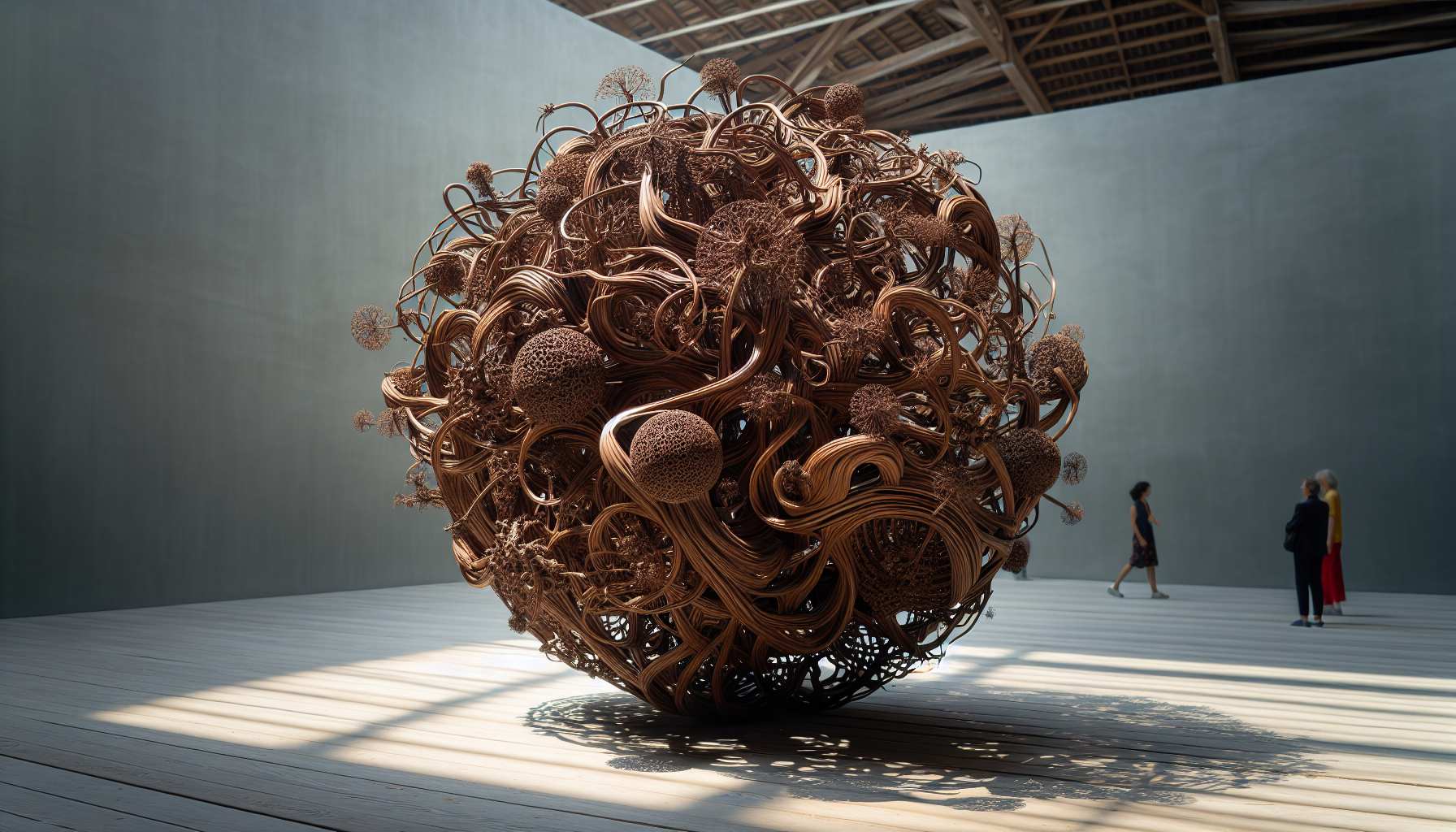
Curated by Jeffrey Uslip, who stepped down from a previous role amid controversy, the exhibition titled Call Me the Breeze features a series of amorphous, nature-inspired sculptures crafted from bronze, wood, and stone. The works are largely untitled, and their meanings are elusive, prompting viewers to question the intent behind the display.
One notable material used is Colorado Yule marble, a stone with historic significance—most famously used in the construction of the Lincoln Memorial. The sculptures seem to evoke organic forms, with some resembling worms or cactus shapes, others interpreted as lambs or piles of spaghetti. However, critics argue that the overall presentation lacks clear narrative or cultural commentary.
Public and Critical Reception
Visitors have expressed disappointment, describing the pavilion as saying “nothing” and doing “nothing.” The art’s ambiguous nature and emphasis on expensive, inoffensive forms align with high-end collector preferences but fail to engage with broader social or political themes.
“After monumental presentations by Jeffrey Gibson and Simone Leigh in previous biennales, which delved into the soul and history of the nation, this year’s US Pavilion feels underwhelming, even bland,”
noted art critic Alma Allen herself remarked on the lack of substance, contrasting the current exhibit with the more politically charged works of recent years.
The Controversial Selection Process
The selection process for this year’s pavilion was marred by controversy and opaque politics. Originally, experts from the National Endowment for the Arts were excluded from the process, and the US State Department appointed curator John Ravenal and artist Robert Lazzarini. However, due to funding issues and behind-the-scenes disagreements, Lazzarini’s proposal was abandoned.
The American Arts Conservancy, led by Jenni Parido—whose background is unconventional for such a role—was tasked with choosing the artist. Uslip was brought in to identify a candidate, ultimately leading to Alma Allen’s selection. Donors supporting the pavilion include notable figures like John Phelan, a former Navy Secretary, and fashion designer Tommy Hilfiger.
Implications and Reflections
This year’s representation raises critical questions about the priorities and transparency of American participation in international art exhibitions. The focus seems to have shifted toward safe, commercially appealing sculptures that lack the political or cultural engagement that characterized recent Biennales.
As the Venice Biennale continues to be a global stage for cultural dialogue, the US Pavilion’s current approach may reflect broader trends in art funding and patronage, emphasizing aesthetics over activism or storytelling.
Looking Ahead
The Call Me the Breeze exhibition will remain open at the US Pavilion until November 22, 2024. Whether future editions will return to more provocative or meaningful content remains to be seen, but this year’s Biennale serves as a stark reminder of the importance of critical engagement with national art representations.
Conclusion
In a landscape where previous US pavilions have explored the depths of identity, history, and social justice, the current show seems to fall short of expectations. It highlights the need for greater transparency, diversity of voices, and a commitment to art that challenges and inspires, rather than simply fills space with inoffensive forms.