Arch Hades Transforms Venetian Palazzo into an Immersive Emotional Landscape at Venice Biennale
Reimagining Space and Emotion: Arch Hades’ Latest Exhibition in Venice British artist Arch Hades has once again pushed the
Reimagining Space and Emotion: Arch Hades’ Latest Exhibition in Venice
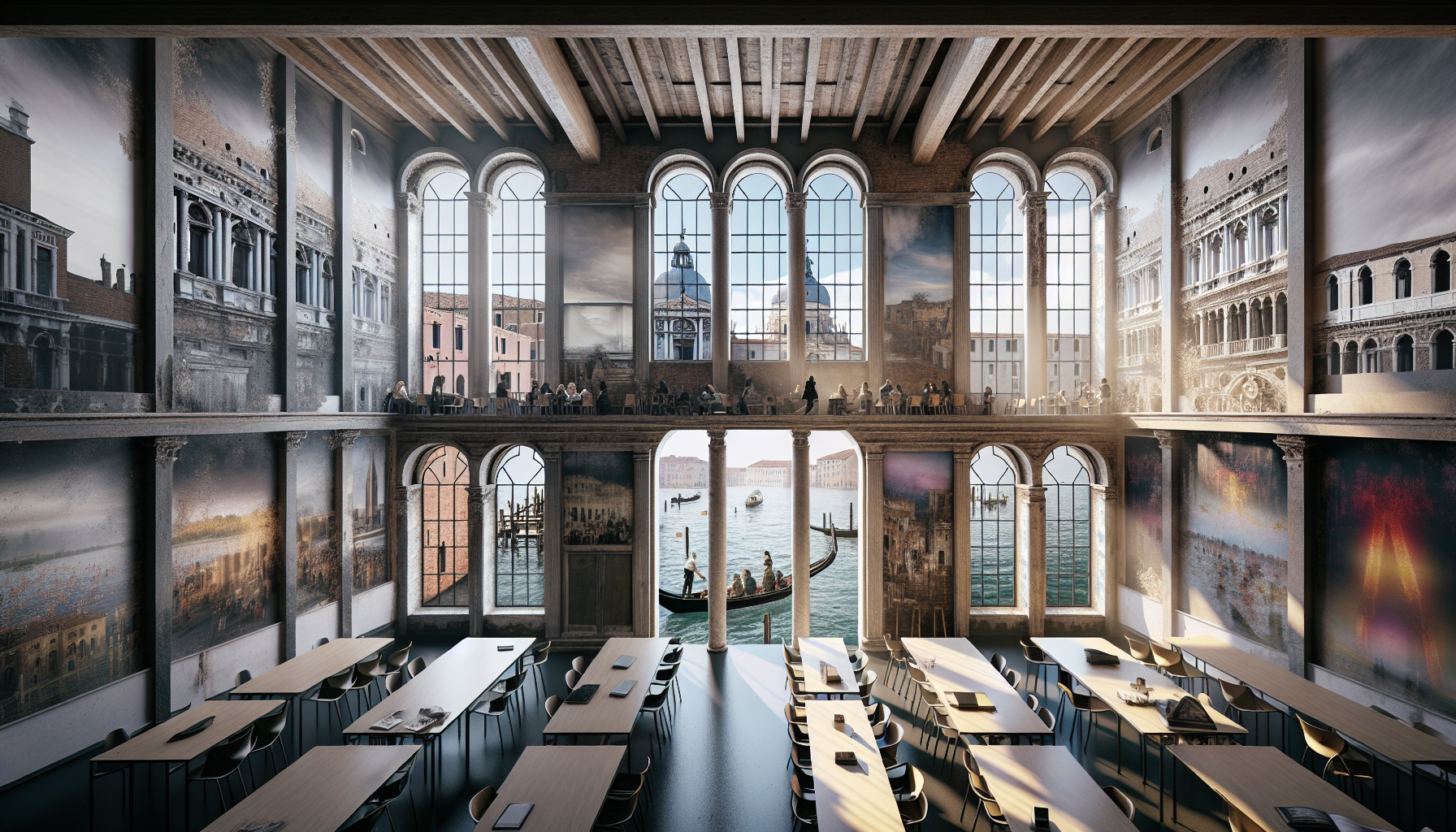
British artist Arch Hades has once again pushed the boundaries of contemporary art with her latest solo exhibition, Return | Ritorno, showcased at a historic Venetian site during the 61st Venice Biennale. Set within the decommissioned Scoletta Battioro e Tiraoro di Venezia, a former goldsmithing school located beside San Stae on Venice’s Grand Canal, the exhibition offers a profound exploration of interior, psychological, and emotional worlds through a multi-sensory immersive experience.
Site-Specific Setting Enhances Artistic Narrative
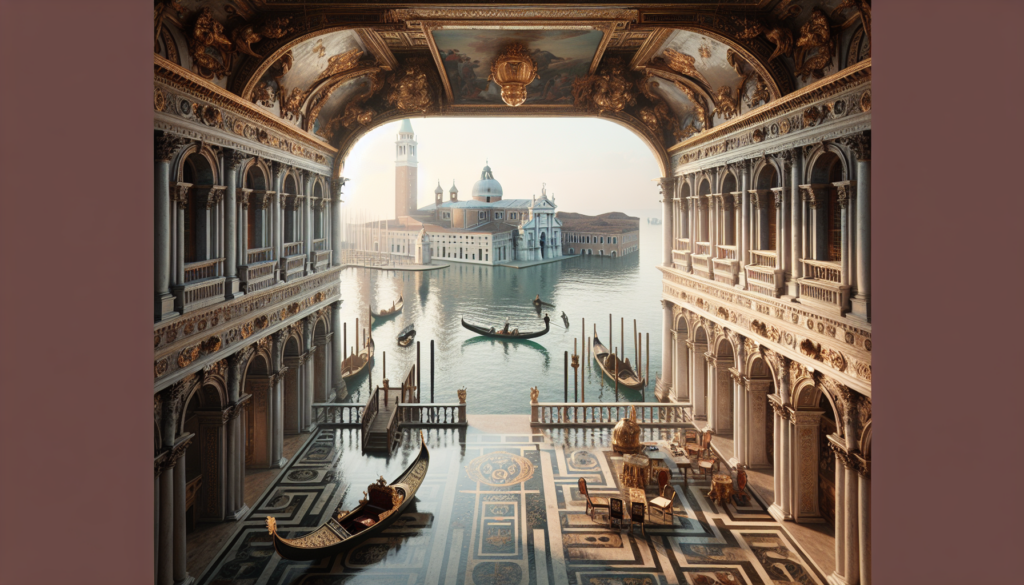
The venue itself, with its rich history, lends a unique atmosphere to the installation. Once a hub for goldsmiths and later an antiques dealer’s space, the building has been transformed into a stage for Hades’ intricate synthesis of painting, sculpture, and sound. The integration of this historic setting underscores the exhibition’s emphasis on the intersection of physical space and internal experience.
Immersive Artworks and Themes
At the core of the exhibition is the monumental painting Return (2025), a sprawling piece composed of 22 panels, measuring approximately 13 meters in length. Inspired by a blend of Greco-Roman sculpture, 19th-century Symbolism, Surrealism, and Romanticism, the work echoes Gustav Klimt’s allegorical “Faculty Paintings” that once stirred controversy for their sensuous figuration and vibrant imagery.
Return (2025) presents a visual allegory of collective human emotion, depicting a river of figures and symbolic imagery that traverse the canvas. Despite the multitude of human forms, the painting maintains a sense of solitude and introspection, inviting viewers to reflect on their own emotional journeys and existential questions.
Expanding Artistic Language and Personal Expression
Complementing the centerpiece are new works from Hades’ “Confessions” series, which began in 2025. Utilizing her personal journal archive, lines of her own writing are enlarged onto slabs, creating a visual dialogue between her innermost thoughts and the audience. This series emphasizes vulnerability and introspection as essential components of human connection.
Innovative Sculptural Installations
Among the exhibition highlights is Sphinx (2026), a mirrored chrome sculpture that blurs the boundaries between sculpture and installation art. Positioned to evoke both primordial and futuristic themes, it prompts viewers to contemplate notions of permanence, transience, and their own place in the continuum of time.
Artist’s Perspective and Philosophical Intent
Hades describes her aim as creating an immersive environment that encourages reflection on life, identity, and mortality. She states, “The exhibition has given me the opportunity to work at scale for the first time while continuing to triumph existentialism. I hope it prompts the audience into questioning their own existence and future, emphasizing that vulnerability is essential for genuine connection.”
Significance and Future Directions
“Return | Ritorno” marks a significant evolution in Hades’ career, demonstrating her expanding use of diverse mediums and her ongoing integration of poetic language into visual art. Her work continues to explore the emotional and psychological dimensions of human experience, making her an influential voice in contemporary art.
Exhibition Details
- Location: Scoletta Battioro e Tiraoro di Venezia, Italy
- Dates: May 7 – November 1, 2026
- Special Event: Artist in conversation with Fi Churchman on May 8, 2026 (RSVP required)
Arch Hades’ innovative exhibition exemplifies how art can serve as an emotional landscape, inviting viewers to explore their inner worlds amidst Venice’s historic setting. As the art world continues to evolve with new mediums and perspectives, Hades’ work stands out as a compelling fusion of tradition, modernity, and introspection.