In Minor Keys: The Venice Biennale’s Thought-Provoking Artistic Symphony
Exploring the 61st Venice Biennale Amidst Contemporary Turmoil The 61st edition of the Venice Biennale, one of the most
Exploring the 61st Venice Biennale Amidst Contemporary Turmoil
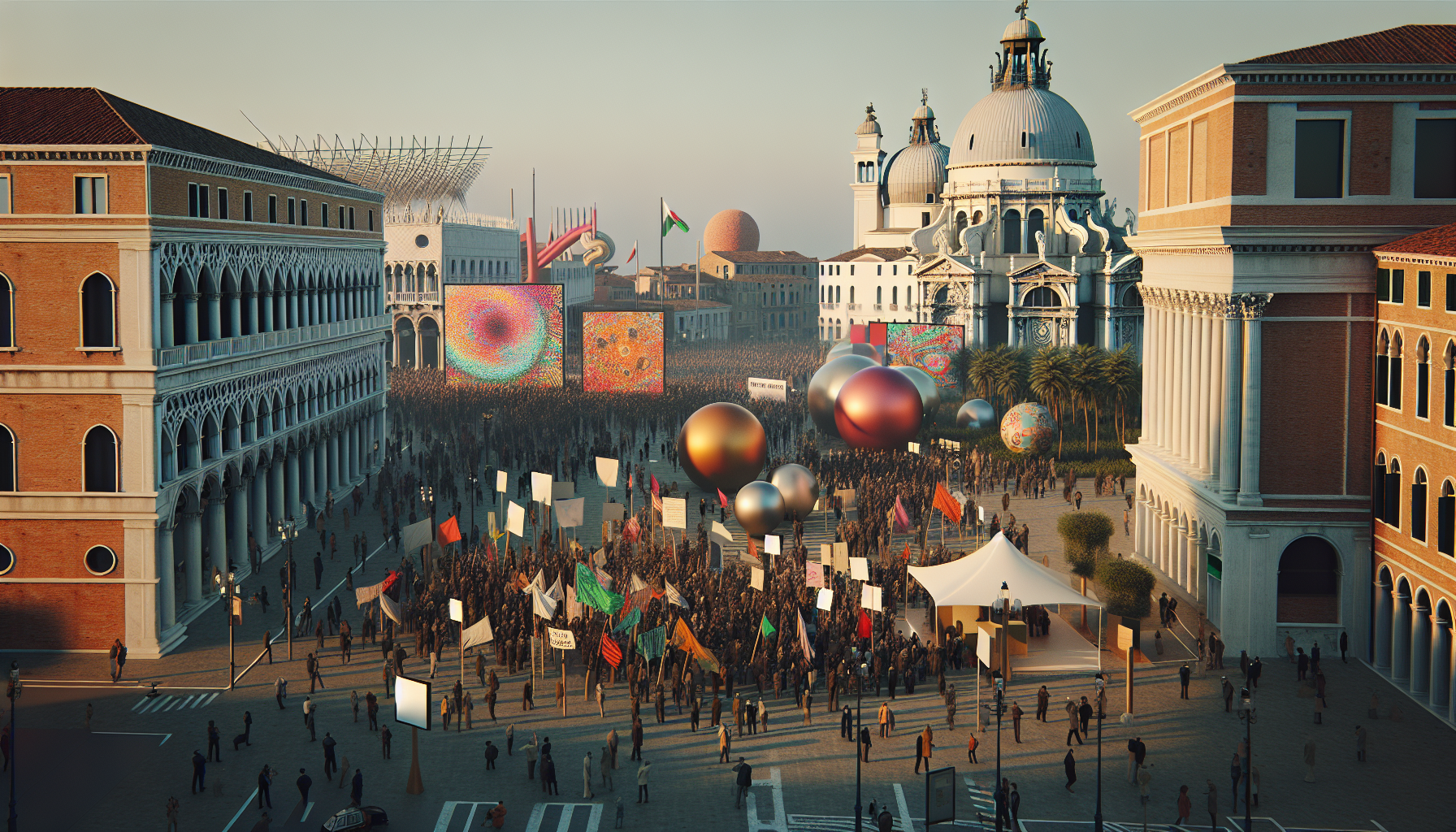
The 61st edition of the Venice Biennale, one of the most prestigious international art exhibitions, continues to captivate audiences despite the backdrop of protests and political demonstrations. The event features notable gatherings, including protests in front of the Israeli pavilion in the Arsenale and the presence of activist group Pussy Riot in front of the Russian pavilion in the Giardini, highlighting the intersection of art and activism on this global stage.
A Unique Artistic Vision Guided by Loss and Reflection
Led by the late artistic director Koyo Kouoh, who passed away last May at age 57, the Biennale opened with a contemplative and somber curatorial press conference. Her team emphasized that the exhibition was shaped by her absence, making it a memorial to her vision. Advisor Rasha Salti described it as “not only an unusual biennale because the artistic director is not physically present … it is a biennale we were left with her absence, looking for her presence,” reflecting the deep engagement with her curatorial principles.
Focus on Listening, Attunement, and Overlooked Narratives
Research Assistant Rory Tsapayi explained that the exhibition embodies Kouoh’s methodology of “work of listening to artists,” emphasizing themes of attunement and attention. The 110 participating artists filled the main venues—the Arsenale and Giardini—with works that challenge viewers to look closer at emerging forms of representation, innovative ways of understanding the world, and moments often overlooked in mainstream discourse.
Major Works and Curatorial Juxtapositions
Among the highlights are Wangechi Mutu’s compelling installations and curatorial pairings such as Ebony G. Patterson’s intricate peacock with Kambui Olujimi’s North Star watercolors. These works are complemented by banners featuring quotes from influential writers and poets like Toni Morrison and Ben Okri, creating a layered, poetic atmosphere that resonates throughout the exhibition space, forming an “unexpected symphony” of visual and literary voices.
A Celebration of Hidden Tunes and Untold Stories
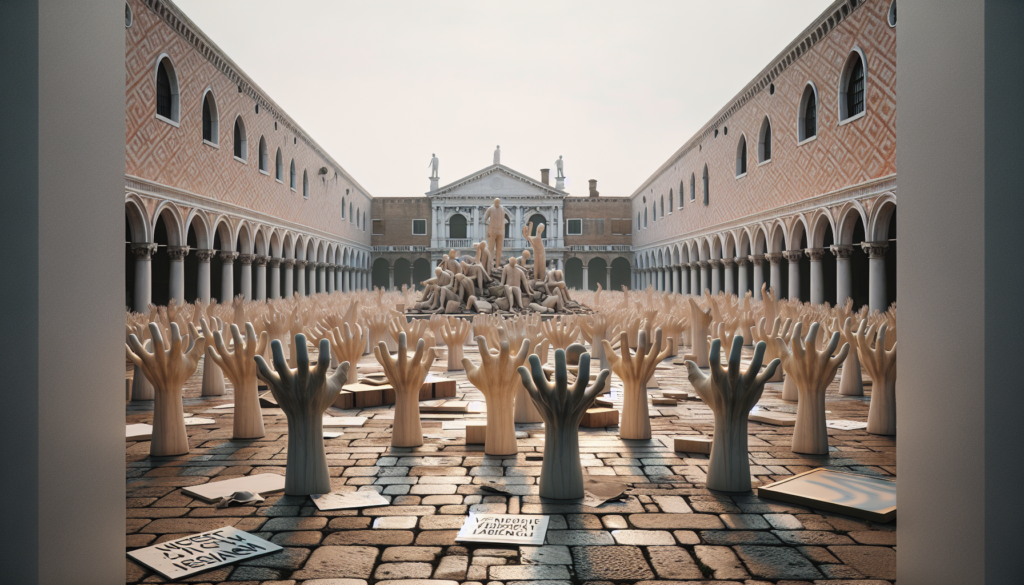
The exhibition metaphorically celebrates those melodies that artists once sung only to themselves, now shared openly with the world. It invites viewers to consider new models of representation, measurement, and perception—asking us to slow down, listen closely, and appreciate the nuanced stories embedded within contemporary art.
Other Noteworthy Events at the Venice Biennale
- Taiwan presents “Screen Melancholy: Li Yi-Fan” at the Palazzo delle Prigioni, a dynamic showcase from the Taipei Fine Arts Museum.
- Steel and Shadows: Opening May 9 at Louis K. Meisel Gallery in New York City, this exhibition features Larry Kagan’s innovative sculptural work that redefines perception and materiality.
- SMFA at Tufts presents Passages, the 2026 MFA Thesis Exhibition, from May 5 to 17, highlighting emerging artists’ journeys and creative explorations.
- Five Independent Souls: An exhibition at Morven Museum & Garden in Princeton delves into the lives of New Jersey’s signers of the Declaration of Independence and their enslaved counterparts through over 100 historic artifacts.
Conclusion
The Venice Biennale’s latest edition serves as a powerful reminder of art’s capacity to reflect, challenge, and deepen our understanding of complex social and cultural issues. Through its focus on listening and overlooked narratives, the exhibition offers a profound experience—an orchestration of minor keys that, together, strike all the right notes in contemporary art discourse.