How Dayanita Singh Gained Access to Venice’s Archives for a Unique Exhibition
Introduction Renowned Indian photographer and artist Dayanita Singh recently staged a groundbreaking exhibition within the historic State Archives of
Introduction
Renowned Indian photographer and artist Dayanita Singh recently staged a groundbreaking exhibition within the historic State Archives of Venice, a space rarely opened to the public for artistic exhibitions. Her approach challenged traditional notions of institutional funding and demonstrated how artist-led initiatives can successfully utilize unconventional venues to engage audiences with archival material.
The Venue: Venice’s State Archives
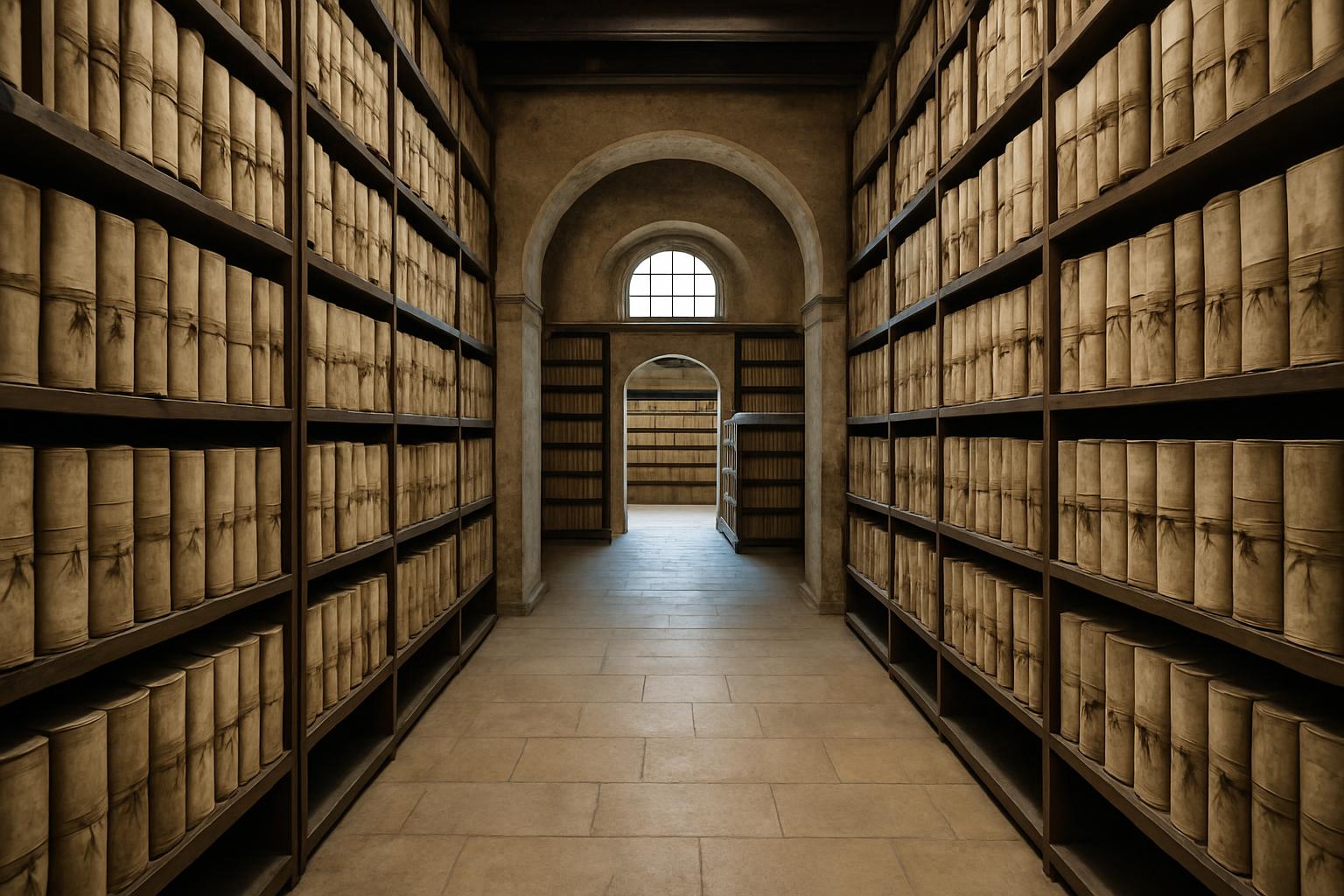
The State Archives of Venice, with its centuries-old repository of documents and manuscripts, opened its doors as an exhibition space for the first time in history. This move was a significant departure from its usual role as a preserved site of historical records. Singh saw this as an opportunity to create a dialogue between the archive’s lived history and contemporary image-making.
Singh’s Approach to the Exhibition
Unlike many large-scale exhibitions that rely heavily on institutional funding and extensive PR campaigns, Singh approached this project independently. She relied on what she describes as the “friendship economy,” a network of personal relationships and community support to organize and mount her “photo-pillars”—a series of large photographic displays rooted in archival documents.
“We couldn’t afford PR,” Singh explained. “But the support from friends and community was enough to bring people in.”
This grassroots approach allowed her to focus creatively on her work and the space itself, emphasizing the importance of community and shared interest in the arts.
Significance of the Exhibition
Singh’s exhibition exemplifies how artists can challenge institutional boundaries and create meaningful engagement with historical archives. Her work transforms the traditional viewing experience, turning the archive into a living, participatory space where new interpretations and dialogues can emerge.
Impact and Reception
The response to Singh’s project was overwhelmingly positive, with visitors and critics alike praising the innovative use of the venue and her thoughtful approach to archival photography. The success of this exhibition could serve as an inspiration for future collaborations between artists and historic institutions, especially those operating without large budgets.
Context and Broader Implications
In an era where arts funding often dictates the scope of exhibitions, Singh’s example underscores the potential of community-driven, resourceful initiatives. Her work also raises questions about the role of archives in contemporary art and the ways in which they can be reimagined as active, participatory spaces.
Conclusion
Dayanita Singh’s innovative use of Venice’s State Archives not only brought fresh visibility to the historic space but also demonstrated the power of independent artistic vision. Her approach highlights the importance of community, creativity, and resourcefulness in expanding the possibilities for art and archival engagement.